When people shop for a chair, they usually obsess over the mechanics. They test the recline tension, measure the armrest height, and check if the lumbar support hits the lower spine just right. Yet, the surface that touches the body for hours on end often gets treated as an afterthought. That outer layer dictates how warm the seat feels by three in the afternoon, how easily coffee spills wipe away, and whether the fabric starts to pill after six months of heavy typing.
Upholstery is the mediator between human skin and industrial plastic or steel. It takes the brunt of body heat, friction, and spilled drinks. Understanding how different materials behave under pressure helps prevent the regret of buying a gorgeous seat that feels like a hot sauna by midday or stains the first time a pen leaks.
The Breathable World of Mesh
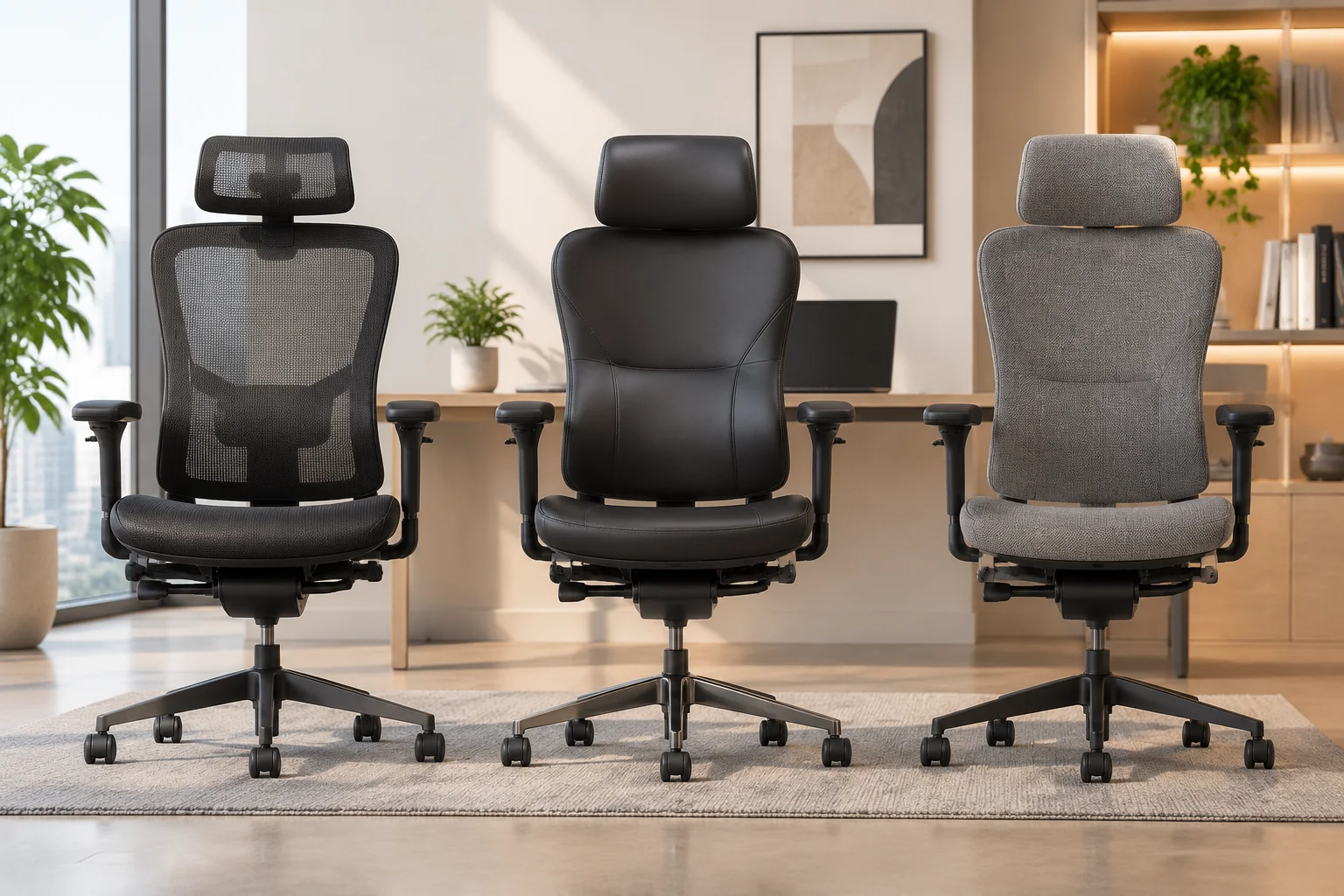
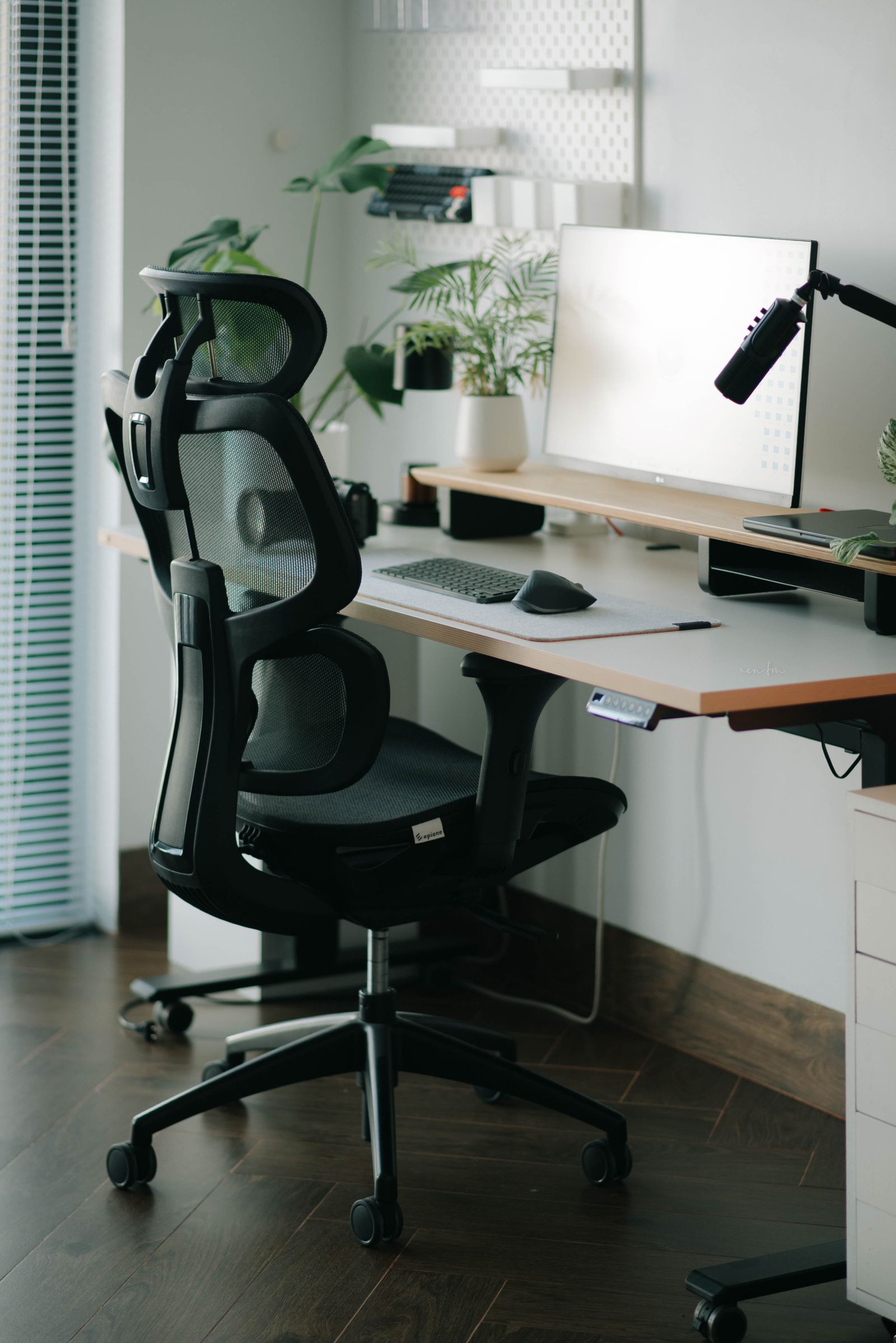
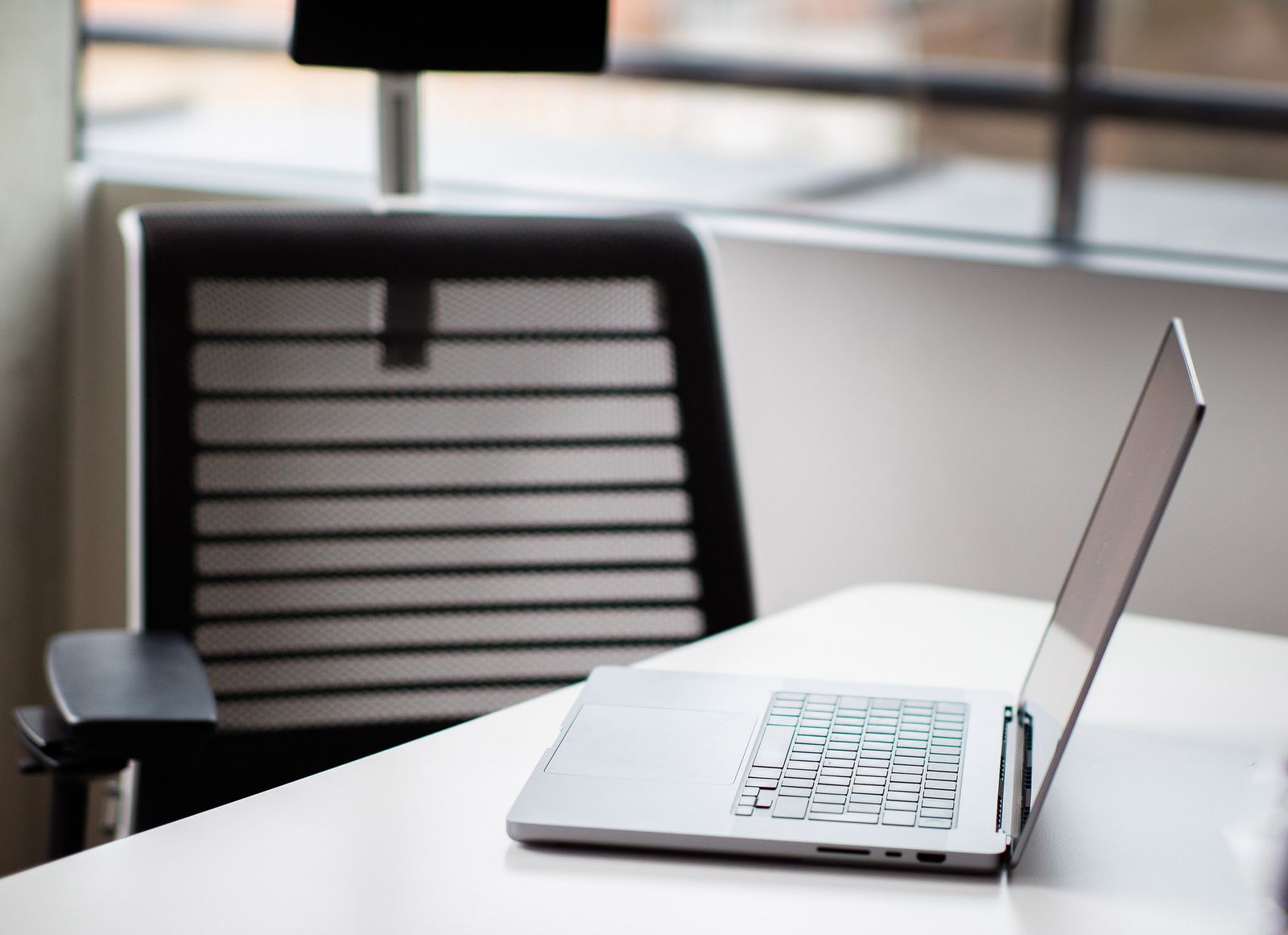
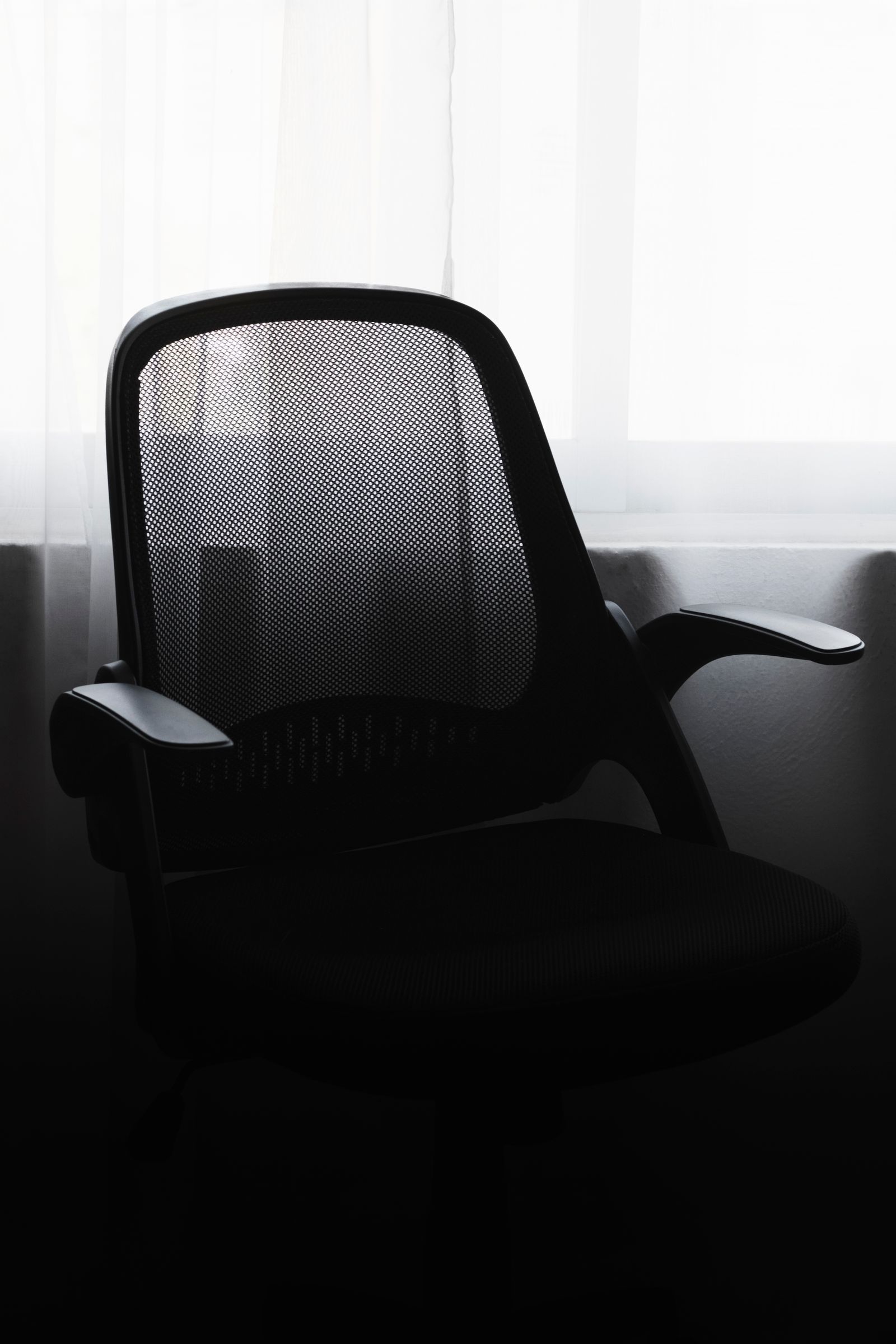
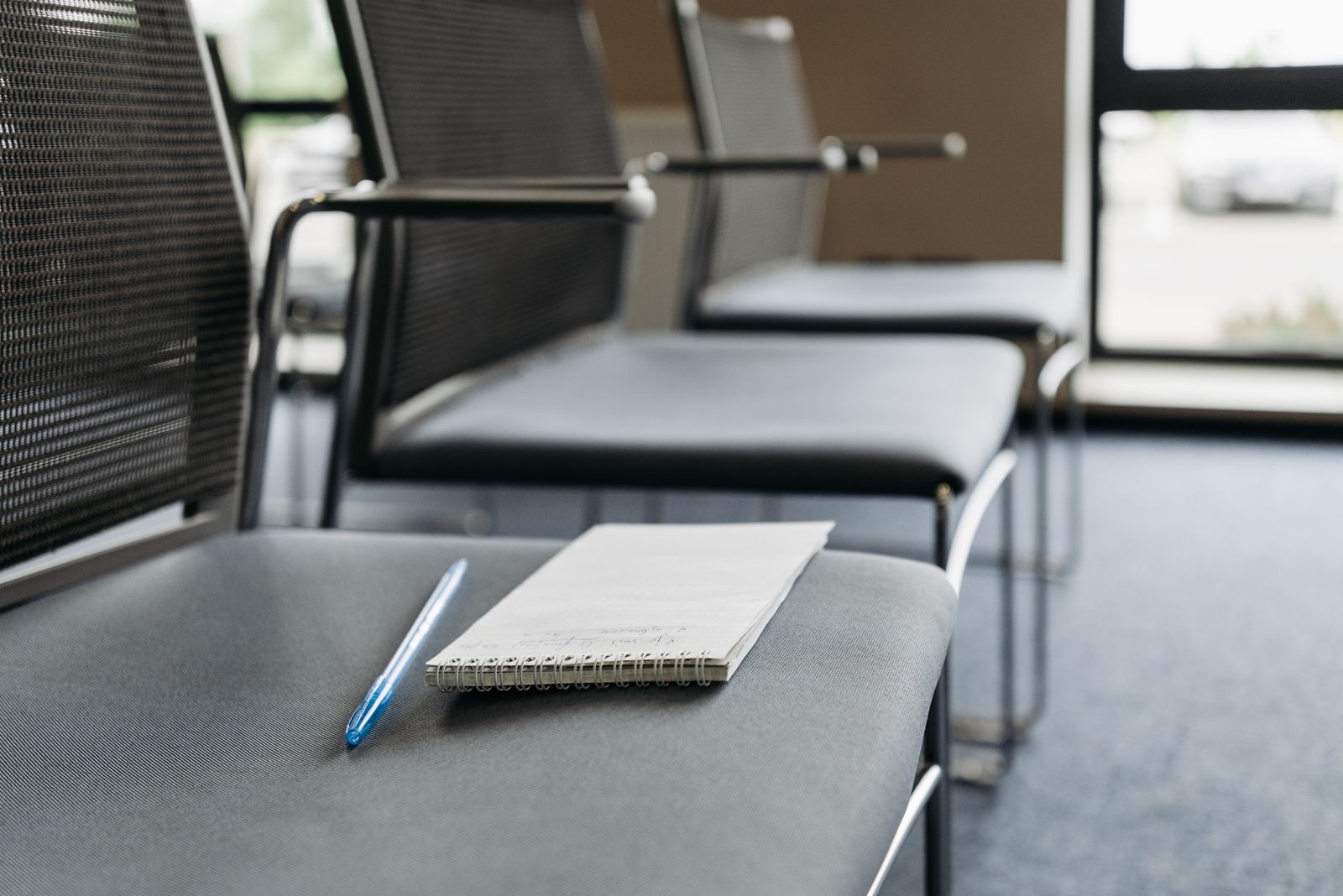
Mesh arrived in offices and completely changed temperature management. Instead of trapping heat inside a dense foam cushion, a stretched polymer net lets air flow freely around the back and thighs. This open construction stops the dreaded sweat buildup that happens during tense negotiations or long deadlines.
Good mesh balances give with firm resistance. Cheap variants sag within a few months, turning a supportive backrest into a hammock that forces the spine into a slouch. Quality synthetic weaves maintain their tension year after year, molding to the body without losing their structural snap.
- Allows continuous airflow to keep the back cool
- Dries quickly if moisture touches the surface
- Requires occasional vacuuming to remove trapped dust
- Adapts smoothly to different body shapes
- Exposes the internal frame design cleanly
Fabric Comfort and Texture
Fabric remains the most common choice because it offers an endless variety of weaves, colors, and tactile experiences. A thick wool blend feels warm and cozy during cold winter mornings, while a tightly woven synthetic canvas handles aggressive daily shifting without showing wear.
The main drawback of soft textile is its affinity for liquids. A dropped drop of tea sinks straight into the fibers unless treated with a protective coating. Regular upkeep involves more than just a quick wipe; it demands proactive vacuuming and prompt attention to spots before they set into the backing foam.
The Status and Maintenance of Leather
Genuine leather carries an aura of executive authority and timeless style. It develops a rich patina as the years pass, softening in the spots where elbows and shoulders rest. Beyond looks, leather resists accidental liquid spills better than any woven fabric, allowing coffee or water beads to sit on top long enough for a quick grab with a paper towel.
Maintenance requires more than water. Leather dries out in heated rooms, leading to cracks along the high-friction seams. Applying a specialized conditioner twice a year keeps the hide supple and prevents premature flaking. Faux leather offers a similar aesthetic at a lower price point, though it lacks the breathability and longevity of genuine animal hide.
Preserving Your Chair Surface Over Time
No matter which material covers the foam, neglect shortens the lifespan of the seat. Dust particles work their way into the weave or mesh pores, acting like microscopic sandpaper that slowly grinds away the fibers with every shift in posture.
Establish a routine care habit for the workspace. Vacuum the seat pan and backrest monthly using a soft brush attachment. Check the armrest pads for wear and tear, and keep sharp objects like metal belt buckles or stray keys away from the delicate outer layers.
Selecting an office chair demands looking past the initial visual impression and thinking about daily habits. A person who runs hot needs the ventilation of mesh, a home office designer might prioritize the tactile warmth of textured fabric, and a traditional workspace benefits from the enduring presence of leather. Match the material to the actual room environment, treat it with basic care, and the seat will serve reliably through countless projects.